
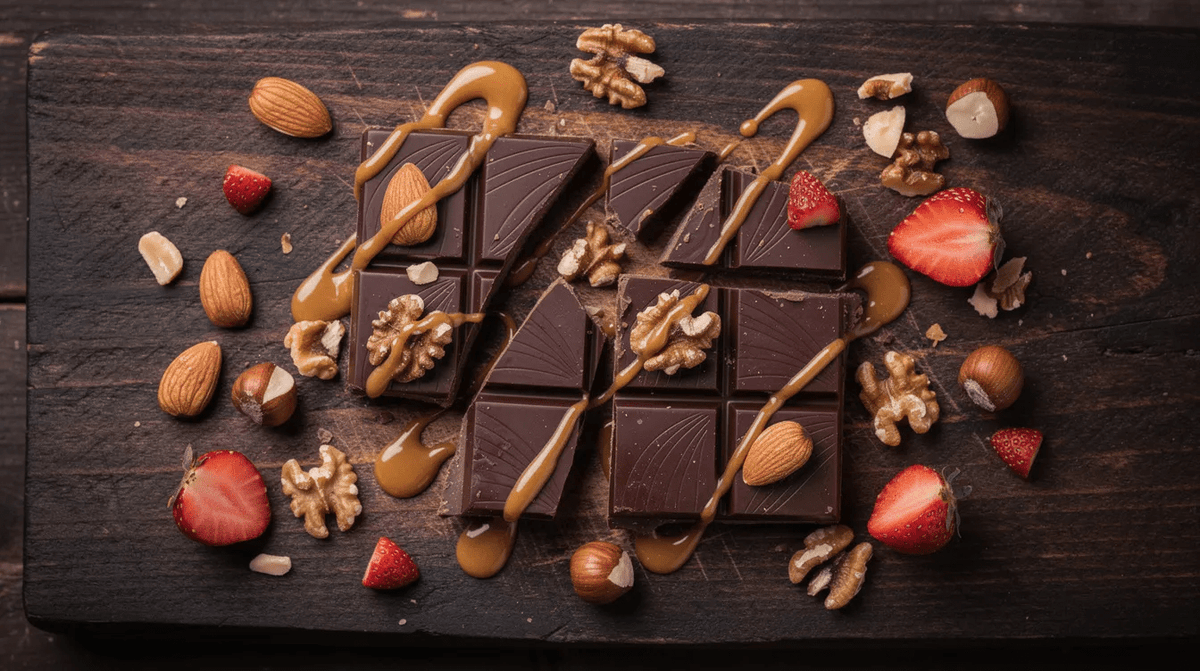
Chocolate has always been a comfort ritual, something people reach for at the end of a long day, during a movie night, or as a small reward after getting through a demanding week.
Edible mushroom chocolate borrows that same familiar format, but unlike regular chocolate, it is infused with mushroom extract to deliver a functional experience beyond flavor—one built around measured dosing, lab-tested potency, and a more deliberate wellness ritual rather than taste alone. At a glance, a bar of mushroom chocolate and a bar of regular chocolate can look nearly identical, but what happens once you actually take a bite is where the two experiences really start to diverge.

If you are a health- and wellness-curious adult 21+ exploring plant-based, zero-THC edibles for microdosing or a more intentional routine, that difference matters: it shapes how you choose a product, how much you take, what kind of experience you expect, and how safely and consistently it fits into your habits.
This guide breaks down exactly what separates the two, starting with a look at Mushroom Chocolates, and then covering ingredients, dosing consistency, flavor, storage, daily ritual, and what to look for in a premium infused bar—including why brands like Wonderland Chocolates stand out—so you know what you are actually getting before you add a bar to your evening routine.
The Core Difference Between Mushroom Chocolate and Regular Chocolate
Regular chocolate is built around cocoa, sugar, and fat, and its entire job is flavor and texture. Mushroom chocolate starts from that same base but is infused with mushroom extract, which changes what the bar is actually designed to do. Instead of being purely about taste, mushroom chocolate is built to be part of a daily or evening ritual, something enjoyed intentionally rather than mindlessly snacked on from an open bag.
The chocolate itself still needs to taste good, since nobody wants to force down a bar just for the experience underneath it, but the mushroom extract is the real differentiator between the two categories.
|
Feature |
Regular Chocolate |
Mushroom Chocolate |
|
Main Purpose |
Flavor and texture |
Functional experience and wellness ritual |
|
Key Ingredients |
Cocoa, sugar, fat |
Cocoa, sugar, fat, mushroom extract |
|
Taste Focus |
Purely taste |
Taste plus functional benefits |
|
Consumption Approach |
Casual snacking |
Intentional, measured dosing |
|
Dosing Consistency |
Not applicable |
Consistent dosing per piece |
|
Health Benefits |
General enjoyment |
Potential cognitive, immune, and stress support |
|
Sugar Content |
Varies |
Typically less added sugar than gummies |
|
Product Testing |
Standard quality control |
Triple third-party lab testing for safety and potency |
|
Ritual Fit |
Anytime snacking |
Part of a daily or evening wellness ritual |
|
Packaging |
Standard candy packaging |
Discreet, unmarked, weatherproof packaging |
|
Legal Status |
Fully legal |
Depends on mushroom extract legality |
What Actually Goes Into a Mushroom Chocolate Bar
A quality mushroom chocolate bar starts with a real chocolate base made with ingredients like raw organic cacao butter, cacao powder, cocoa butter, and cocoa solids, whether that is a rich milk chocolate or a deeper dark chocolate, and layers mushroom extract into that base during production with the ingredients carefully combined for even distribution. The goal is a smooth, evenly distributed bar rather than something with an obvious, separate mushroom flavor sitting on top of the chocolate.
-
A genuine chocolate base, not just a flavored coating
-
Mushroom extract distributed evenly through the bar rather than concentrated in spots
-
Consistent dosing per square so every piece is predictable
-
Lab testing to confirm what's actually in each batch
That consistency matters more than people expect. A bar where the mushroom content is unevenly distributed makes it nearly impossible to know what you are actually getting from square to square, which is part of why lab-tested products matter so much in this category.
How the Experience Differs From Eating a Regular Candy Bar
With regular chocolate, the experience begins and ends with taste. You eat it, you enjoy it, and that is the full story. With mushroom chocolate, taste is just the entry point. Because of what is layered into the bar, portion size and pacing matter in a way they simply do not with a standard candy bar, where finishing the whole thing in one sitting is completely normal.
This changes how people approach the product itself. Instead of grabbing a handful of squares without thinking, most people treat mushroom chocolate more deliberately, starting with a smaller piece and giving it time before deciding whether to have more.
Flavor and Texture: Where the Two Actually Overlap
This is where mushroom chocolate and regular chocolate genuinely have the most in common. A well-made bar should still deliver on the basics: a smooth melt, a rich cocoa flavor, and none of the chalky or bitter aftertaste that can come from poorly made infused products. Flavor variety also matters here, since options ranging from classic milk chocolate to more playful, dessert-inspired combinations give people the same kind of choice they would expect from any premium chocolate brand.
The best mushroom chocolate brands treat flavor development with the same seriousness as a traditional chocolatier, rather than treating the chocolate as an afterthought wrapped around the extract.

Why People Are Swapping an Evening Chocolate Habit
A lot of people already have an evening chocolate habit, whether that is a couple of squares after dinner or a bar shared during a movie. Swapping that existing habit for mushroom chocolate does not require building a brand-new ritual from scratch; it often fits more naturally than a gummy because mushroom chocolate usually has less added sugar, while gummies can contain up to 8 grams of added sugar per serving and may offer a lower concentration of active extract. That familiarity is a big part of why mushroom chocolate has found an audience with people who were not necessarily looking for a dramatic lifestyle change, just a different version of something they already enjoyed.
For bigger evenings with friends, some people like to stock up and mix formats, which is where a Build Your Bundle option comes in handy, keeping the same product experience but scaling it for a group setting rather than a solo night in.
How Mushroom Extract Type Can Vary Between Products
Not all mushroom chocolate is built the same way under the hood. Some bars use a single functional mushroom, while others combine lion's mane, reishi, cordyceps, or turkey tail to create a more rounded effect. This is part of why two mushroom chocolate bars from different brands can feel noticeably different even at a similar labeled amount, since the underlying extract composition, not just the dose, plays a role in the overall experience.
For example, Lion's Mane is commonly linked to focus and has been associated with a 15% improvement in cognitive function in older adults, Reishi is often used for calm energy and stress support, and Turkey Tail or chaga are often chosen for immune support; some compounds, such as beta-glucans, are water-soluble and absorb well in any matrix. This is another reason lab documentation matters so much in this category.
Knowing exactly which mushroom species, extract, or blend went into a bar gives a much clearer picture than judging purely by the flavor name or the marketing on the packaging. In 2025, the U.S. Pharmacopeia published quality monographs for mushrooms, including quality standards for Reishi, which makes species-level documentation more meaningful.
Choosing the Right Mushroom Chocolate for You
Choosing the right bar comes down to a few simple questions: what flavor actually sounds appealing, whether you prefer milk or dark chocolate as a base, how the label identifies the mushroom species and serving design, and how much you want in a single serving. Beginners generally do best starting with a smaller amount and a flavor they already know they enjoy, rather than experimenting with unfamiliar ingredients and a larger serving at the same time.
-
Start with a flavor you already know you like in regular chocolate
-
Choose a smaller serving size for your first time trying a new bar
-
Compare the lab results and ingredient lists before trying a new product
-
Give the experience time before deciding whether to have more
Common Mistakes First-Time Buyers Make
The most common mistake is treating mushroom chocolate exactly like a regular candy bar and eating a large portion in one sitting simply because it tastes good. Because the experience takes time to build, portion control matters far more here than with standard chocolate, where the only real limit is how much you feel like eating.
Another common mistake is skipping the label entirely. Reading the per-square dosing information before diving in means you do not miss important note-level details about ingredients and testing, which helps set realistic expectations and avoids the disappointment of either doing too little or too much on a first try.
How Storage and Shelf Life Differ From Regular Chocolate
Regular chocolate is fairly forgiving about storage, tolerating a spot in the pantry or a kitchen cabinet without much issue. Mushroom chocolate deserves a bit more care, since heat and direct sunlight can affect both the texture of the chocolate and any additional ingredients, especially in bars produced for consistent per-piece dosing. Keeping bars in a cool, dry place, and refrigerating them if your home tends to run warm, helps preserve both the taste and the quality of every square.
This is a small habit, but it matters more here than it would with a standard candy bar picked up at a checkout counter, simply because consistency across every bite is part of what makes a quality mushroom chocolate bar worth choosing in the first place.

Building an Evening Ritual Around Mushroom Chocolate
Plenty of people build their entire mushroom chocolate habit around a specific moment in the day, like the last hour before bed or the wind-down after a long shift. Treating it as a small, intentional ritual rather than an anytime snack tends to make the experience more satisfying and easier to keep consistent over time. Some pair a square with a favorite show or a few quiet minutes with a book, turning it into a genuine pause in the day rather than something eaten on the move.
Because mushroom chocolate rewards a slower, more deliberate approach, it fits naturally into these kinds of evening rituals in a way that mindless snacking never quite does.
Pairing Mushroom Chocolate With the Rest of Your Evening
Some people like to pair their evening square with something else calming, like herbal tea or a warm drink, turning the moment into a broader wind-down rather than an isolated snack. Others prefer to enjoy it entirely on its own, giving the chocolate itself the full spotlight rather than splitting attention across multiple things at once. Neither approach is more correct than the other, it simply comes down to what actually fits your evening best.
What tends to matter most is consistency. Enjoying mushroom chocolate around the same general time each evening helps make the ritual predictable, both in terms of when the experience begins and how comfortable it feels once it does.
Why Wonderland Chocolates Stands Out in the Mushroom Chocolate Space
Wonderland Chocolates treats the chocolate itself as seriously as what goes into it, building flavors like Milk Chocolate, Cookies & Cream, and Strawberries and Cream around a genuinely good chocolate base rather than an afterthought. Every batch is third-party lab tested, and that information is published rather than hidden, which matters because the FDA does not pre-approve these functional mushroom products before sale, so people can see exactly what they are buying before they try it.
For people who want to browse the complete lineup rather than commit to a single flavor, the full mushroom edibles collection covers chocolates, gummies, and drinks in one place, making it easy to compare different confectionery formats across these consumer products before deciding which fits your routine best. Anyone who prefers a chewable format over a bar can also compare notes with the Mushroom Gummies line, which offers the same lab-tested approach in a different, flavor-forward format.

Final Thoughts
Mushroom chocolate and regular chocolate share a lot on the surface, from the melt to the flavor to the familiar act of breaking off a square. What sets them apart is everything underneath that surface: the extract, the dosing consistency, and the more intentional pace most people bring to the experience. For anyone who already loves an evening chocolate ritual and is curious about trying something new within that same habit, understanding these differences is the best place to start.
FAQs
1. Does mushroom chocolate taste different from regular chocolate?
A well-made bar should still taste like genuine chocolate first. The mushroom extract is blended into a real chocolate base rather than replacing the chocolate flavor entirely.
2. Can I eat mushroom chocolate the same way I'd eat a regular candy bar?
Not quite. Because of what's infused into the bar, most people approach it more deliberately, starting with a smaller portion and giving it time rather than finishing a full bar in one sitting. That matters even more with street mushroom edibles, which lack safety standards and oversight and increase the risk of unpleasant surprises.
3. How is dosing consistency achieved in a mushroom chocolate bar?
Quality brands distribute the mushroom extract evenly through the chocolate base during production and confirm consistency through third-party lab testing, so each square is predictable. Good products should also be backed by laboratory testing, because unregulated products may contain dangerous contaminants.
4. Is mushroom chocolate a good fit for group settings?
Yes, stocking up through a bundle option is an easy way to share among a group, giving everyone the same product experience in a format built for more than one person.
5. What should a beginner look for in their first mushroom chocolate bar?
A familiar flavor, a smaller serving size, and published lab results are the best starting points for anyone trying mushroom chocolate for the first time. It's also worth checking the legal status in your area, since psilocybin remains a Schedule I controlled substance, some California cities have decriminalized personal use, and selling mushroom chocolate bars is still illegal in California.